




Transform Your Passion for Sports Into Data-Driven Expertise

Discover comprehensive educational pathways in sports analytics that combine statistical analysis, performance metrics, and cutting-edge technology. Whether you're starting your journey or advancing your career, explore programs designed to develop your analytical capabilities in the dynamic world of sports performance evaluation.

50+
Educational Programs
1000+
Learning Resources
15+
Career Pathways
Sports analytics workspace with data visualization

Academic Excellence

Access world-class university programs specializing in sports data science and performance analysis

Practical Skills

Master industry-standard tools including Python, R, Tableau, and advanced statistical software

Career Growth

Connect with professional opportunities in sports organizations, analytics firms, and research institutions

Global Community

Join a network of professionals, educators, and enthusiasts advancing sports analytics worldwide

University Programs in Sports Analytics

Leading academic institutions offer specialized programs combining sports science, data analytics, and performance optimization. These comprehensive curricula prepare students for careers at the intersection of athletics and data science.

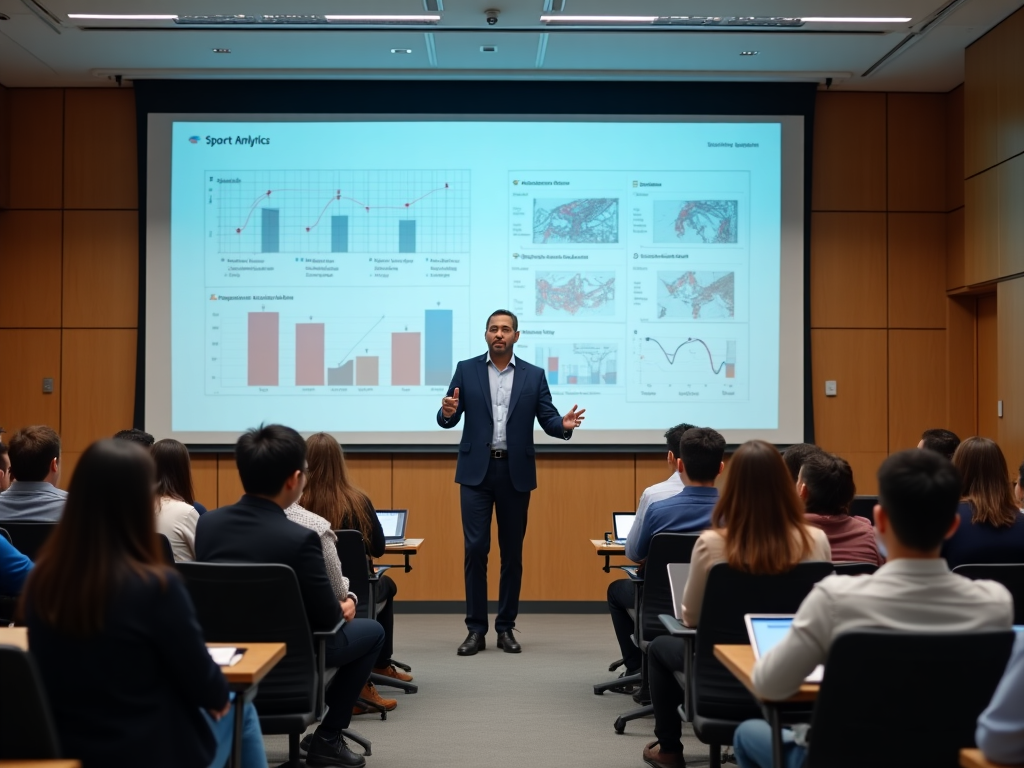
University sports analytics classroom

Sciences Po Paris - Sports Management & Analytics

2 Years Master's Degree English & French

This prestigious program integrates political science methodologies with sports analytics, focusing on governance, policy analysis, and data-driven decision making in sports organizations. Students develop expertise in quantitative research methods, statistical modeling, and strategic management within the sports industry context.

Program Highlights:

  • Advanced statistical analysis for sports performance
  • Sports economics and financial modeling
  • Policy analysis and organizational strategy
  • International sports governance frameworks
  • Data visualization and communication strategies
Career Outcomes: Sports policy analyst, performance analyst, sports economist, strategic consultant for sports organizations

INSEP - Institute for Sports Performance Analysis

1-3 Years Various Levels Practical Focus

The National Institute of Sport, Expertise, and Performance offers specialized training programs that bridge theoretical knowledge with practical application. Their curriculum emphasizes hands-on experience with elite athletes and professional sports teams, providing unique insights into real-world performance optimization.

Specialized Areas:

  • Biomechanical analysis and motion capture technology
  • Physiological performance monitoring systems
  • Video analysis and tactical evaluation
  • Athlete development tracking and assessment
  • Sports science research methodologies
Career Outcomes: Performance analyst, sports scientist, biomechanics specialist, technical analyst for professional teams
Sports performance analysis laboratory
Data science workspace for sports analytics

Université Paris-Saclay - Data Science for Sports

2 Years Master's Program Research-Oriented

This cutting-edge program combines computer science, mathematics, and sports science to develop advanced analytical skills. Students work with large-scale sports datasets, machine learning algorithms, and predictive modeling techniques to solve complex problems in athletic performance and sports management.

Core Competencies:

  • Machine learning applications in sports prediction
  • Big data analytics for performance optimization
  • Statistical modeling and inference techniques
  • Database management and data engineering
  • Artificial intelligence in sports technology
Career Outcomes: Data scientist, machine learning engineer, sports technology developer, analytics consultant

General Admission Requirements

Academic Background

Bachelor's degree in related fields such as mathematics, statistics, computer science, sports science, or engineering. Strong quantitative skills are essential.

Language Proficiency

English proficiency (TOEFL/IELTS) required for international programs. French language skills may be necessary for certain courses and practical experiences.

Application Materials

Transcripts, letters of recommendation, statement of purpose, CV/resume, and portfolio of relevant projects or research experience in analytics or sports.

Application Timeline

Most programs have deadlines between January and April for fall admission. Early application is recommended due to competitive selection processes.

Online Courses in Sports Analytics

Access world-class education from anywhere with comprehensive online programs. These courses offer flexibility for working professionals and students seeking to develop specialized skills in sports data analysis and performance evaluation.

Coursera - Sports Analytics Specializations

Partner with top universities to deliver comprehensive sports analytics education through structured learning paths and hands-on projects.

Sports Performance Analytics

6 weeks Intermediate Certificate

Learn to analyze athlete performance data using statistical methods and visualization tools. This course covers data collection, cleaning, exploratory analysis, and reporting techniques specific to sports contexts. Students work with real datasets from professional sports leagues.

Statistical Analysis Data Visualization Performance Metrics Python Programming

Machine Learning for Sports Prediction

8 weeks Advanced Certificate

Master machine learning algorithms applied to sports prediction and player evaluation. Topics include regression models, classification techniques, ensemble methods, and neural networks. Practical projects involve building predictive models for game outcomes and player performance forecasting.

Machine Learning Predictive Modeling Feature Engineering Model Validation

edX - Professional Certificates in Sports Data Science

Collaborate with leading institutions to provide rigorous, university-level courses in sports analytics and data science applications.

Sports Analytics Fundamentals

10 weeks Beginner Professional Certificate

Comprehensive introduction to sports analytics covering essential statistical concepts, data management, and analytical thinking. Students learn to interpret sports data, understand key performance indicators, and communicate insights effectively to stakeholders.

Statistics Basics Data Management Excel Analysis Reporting

Advanced Sports Biomechanics Analysis

12 weeks Advanced Professional Certificate

Deep dive into biomechanical analysis techniques used in elite sports. Learn motion capture analysis, force plate data interpretation, and kinematic modeling. Apply computational methods to optimize athletic movement patterns and reduce injury risk.

Biomechanics Motion Analysis 3D Modeling Injury Prevention

FUN-MOOC - French Sports Analytics Programs

French-language courses providing unique perspectives on European sports analytics methodologies and applications in international sports contexts.

Data Science Applied to Football

7 weeks Intermediate French

Specialized course focusing on football (soccer) analytics using European methodologies. Covers tactical analysis, player tracking data, expected goals models, and team performance evaluation. Includes case studies from major European leagues.

Football Analytics Tactical Analysis xG Models Player Tracking

Sports Economics and Analytics

6 weeks Intermediate French/English

Explore the intersection of economics and sports analytics. Learn valuation methods for players and teams, revenue optimization strategies, and market analysis techniques. Understand how data drives financial decisions in sports organizations.

Sports Economics Player Valuation Market Analysis Financial Modeling
Online sports analytics learning environment

Benefits of Online Learning

Flexible Schedule

Learn at your own pace with on-demand video lectures, assignments, and resources accessible 24/7

Global Access

Connect with instructors and peers worldwide, gaining diverse perspectives on sports analytics

Cost-Effective

More affordable than traditional programs with options for financial aid and payment plans

Practical Projects

Build a portfolio through hands-on assignments using real sports datasets and industry tools

Specialized Schools for Sports Analytics

Intensive programs designed for rapid skill development in specific areas of sports analytics. These specialized institutions offer targeted training that prepares students for immediate application in professional environments.

Sports Analytics Academy

Intensive bootcamp-style training for aspiring sports analysts

This accelerated program condenses essential sports analytics training into an intensive 12-week curriculum. Students engage in daily workshops, live data analysis sessions, and collaborative projects that simulate real-world sports analytics departments. The program emphasizes practical application over theoretical knowledge.

12-week intensive format
Industry practitioner instructors
Real-time data analysis projects
Career placement assistance

Core Curriculum:

  • Statistical foundations for sports analysis
  • Programming in Python and R for data manipulation
  • Visualization techniques using Tableau and Power BI
  • Video analysis and tactical evaluation methods
  • Communication skills for presenting insights

Performance Analytics Institute

Advanced training in athlete performance optimization

Focused exclusively on performance analytics, this institute provides specialized training in biomechanics, physiology monitoring, and load management. Programs are designed for professionals working directly with athletes and coaching staff, emphasizing evidence-based practice and cutting-edge measurement technologies.

6-month certificate program
Lab-based practical training
Elite athlete case studies
Technology certification included

Specialization Areas:

  • Wearable technology data interpretation
  • GPS tracking and movement analysis
  • Fatigue monitoring and recovery assessment
  • Injury prediction modeling
  • Periodization and training load optimization

Tactical Analysis School

Expert training in tactical and strategic sports analysis

Specialized training for tactical analysts and video coordinators focusing on game analysis, opponent scouting, and strategic planning. The curriculum integrates traditional coaching knowledge with modern analytical tools, preparing students to bridge the gap between coaching staff and analytics departments.

4-month intensive program
Sport-specific pathways
Video analysis software training
Professional team partnerships

Key Learning Outcomes:

  • Video breakdown and coding methodologies
  • Tactical pattern recognition and analysis
  • Set-piece analysis and optimization
  • Opposition scouting frameworks
  • Report creation and presentation delivery

Sports Data Engineering School

Technical training for sports data infrastructure

For technically-oriented professionals, this program focuses on the data engineering aspects of sports analytics. Students learn to build and maintain data pipelines, manage databases, and create scalable analytics infrastructure that supports organizational decision-making.

8-month technical program
Cloud platform training
API development skills
Industry project capstone

Technical Skills Developed:

  • Database design and management (SQL, NoSQL)
  • ETL pipeline development and automation
  • Cloud infrastructure (AWS, Azure, GCP)
  • API development for data distribution
  • Data quality assurance and governance

Choosing the Right Specialized Program

Consider your current skill level, career goals, and time availability when selecting a specialized program. Each school offers unique advantages depending on your specific interests within sports analytics.

Program Type Best For Duration Technical Level Career Path
Sports Analytics Academy Career changers, Recent graduates 12 weeks Beginner to Intermediate Junior Analyst
Performance Analytics Institute Sports scientists, Trainers 6 months Intermediate Performance Analyst
Tactical Analysis School Coaches, Former athletes 4 months Beginner Tactical Analyst
Sports Data Engineering Software developers, Data engineers 8 months Advanced Data Engineer

Educational Resources for Sports Analytics

Complement formal education with these curated learning resources. From video tutorials to podcasts and research publications, these materials support continuous learning and skill development.

Video Learning Platforms

Sports Analytics YouTube Channels

Discover comprehensive video tutorials covering statistical analysis, programming for sports data, and visualization techniques. Popular channels feature weekly content on current trends, tool demonstrations, and case study walkthroughs from professional analysts.

Python tutorials R programming Tableau dashboards Statistical concepts

Conference Presentations and Webinars

Access recorded presentations from major sports analytics conferences including MIT Sloan Sports Analytics Conference, OptaPro Forum, and StatsBomb Conference. These sessions feature cutting-edge research and practical applications from industry leaders.

Research presentations Industry insights Methodology discussions Panel discussions

Podcasts and Audio Content

Analytics-Focused Podcasts

Regular podcast series featuring interviews with professional analysts, data scientists, and researchers. Episodes cover methodology debates, career advice, tool reviews, and discussions of current analytical trends in various sports.

Career development Methodology insights Industry interviews Technical discussions

Sport-Specific Analysis Shows

Deep-dive podcasts focusing on specific sports, combining traditional commentary with data-driven insights. Learn how analysts approach different sports and adapt methodologies to sport-specific contexts and available data sources.

Football analytics Basketball metrics Baseball sabermetrics Hockey analytics

Blogs and Written Content

Professional Analyst Blogs

Follow blogs maintained by working analysts who share methodologies, code snippets, and analytical approaches. These resources provide practical insights into daily workflows, problem-solving strategies, and tool selection for various analytical tasks.

Code repositories Method tutorials Data visualization Best practices

Research Publication Platforms

Access academic journals and preprint servers featuring the latest research in sports analytics. Stay current with emerging methodologies, validation studies, and theoretical frameworks that advance the field.

Academic papers Research findings Methodology papers Literature reviews

Books and Publications

Foundational Textbooks

Essential reading covering statistical foundations, programming basics, and sports-specific analytical frameworks. These comprehensive texts serve as reference materials throughout your learning journey and professional career.

Statistics fundamentals Programming guides Analytics frameworks Case studies

Industry Reports and Whitepapers

Annual reports from analytics companies, technology providers, and sports organizations detailing trends, best practices, and emerging technologies. These documents provide strategic perspectives on the industry's direction.

Industry trends Technology reviews Market analysis Future predictions

Communities and Forums

Online Discussion Communities

Participate in active forums where analysts share knowledge, troubleshoot problems, and discuss methodologies. These communities provide peer support and networking opportunities with professionals at all career stages.

Q&A forums Code sharing Project feedback Career advice

Professional Networks

Join professional associations and networking groups focused on sports analytics. These organizations host events, maintain job boards, and facilitate connections between professionals, academics, and industry leaders.

Networking events Job opportunities Mentorship programs Conferences

Data Sources and Repositories

Public Sports Datasets

Access freely available datasets for practice and portfolio projects. These repositories include historical statistics, play-by-play data, and tracking information across various sports and competition levels.

Historical statistics Play-by-play data Player tracking Game results

API Documentation and Tutorials

Learn to access sports data programmatically through APIs. Documentation and tutorials guide you through authentication, data retrieval, and integration of live sports data into analytical workflows.

API integration Data retrieval Authentication Rate limiting

Creating Your Learning Path

Develop a structured approach to self-learning by combining resources across different formats. Here's a recommended progression for building comprehensive sports analytics skills:

1

Foundation Building

Start with textbooks and introductory video courses covering statistics and programming basics

2

Practical Application

Work through tutorials using public datasets to apply learned concepts in sports contexts

3

Community Engagement

Join forums and discussion groups to share work, receive feedback, and learn from peers

4

Advanced Topics

Explore research papers and conference presentations on cutting-edge methodologies

5

Continuous Learning

Maintain skills through podcasts, blogs, and regular practice with new datasets and tools

Essential Tools for Sports Analytics

Master the software and platforms that power modern sports analytics. From data manipulation to visualization and statistical modeling, these tools form the technical foundation of analytical work.

Microsoft Excel & Google Sheets

Beginner Friendly Essential

Spreadsheet software remains fundamental for sports analytics, offering accessible data manipulation, calculation, and basic visualization capabilities. Excel's pivot tables, formulas, and charting functions handle many analytical tasks efficiently.

Common Applications:

  • Data cleaning and organization
  • Statistical calculations and aggregations
  • Quick visualizations and charts
  • Report generation and formatting
  • Collaborative data sharing

Learning Resources:

Numerous online tutorials cover Excel for analytics, from basic functions to advanced techniques like Power Query, macros, and dynamic arrays. Practice with sports datasets to develop proficiency in relevant applications.

Python Programming

Intermediate Industry Standard

Python has become the dominant programming language in sports analytics due to its versatility, extensive libraries, and active community. Libraries like pandas, NumPy, and scikit-learn provide powerful tools for data manipulation, analysis, and machine learning.

Key Libraries and Uses:

  • pandas: Data manipulation and analysis
  • NumPy: Numerical computing and array operations
  • matplotlib/seaborn: Data visualization
  • scikit-learn: Machine learning algorithms
  • BeautifulSoup/requests: Web scraping

Getting Started:

Begin with Python basics through interactive platforms, then progress to sports-specific tutorials. Focus on pandas for data manipulation and matplotlib for visualization before advancing to machine learning libraries.

R Statistical Software

Intermediate Statistical Focus

R excels in statistical analysis and data visualization, with packages specifically designed for sports analytics. Its strong statistical foundations make it ideal for rigorous analytical work and research applications.

Popular R Packages:

  • tidyverse: Data manipulation and visualization suite
  • ggplot2: Advanced data visualization
  • caret: Machine learning framework
  • shiny: Interactive web applications
  • Sport-specific packages: Various analytical tools

Learning Path:

Start with R basics and the tidyverse ecosystem. R's syntax differs from Python, but its statistical capabilities and visualization tools make it valuable for analytical work. Many sports analytics researchers prefer R for its statistical rigor.

Tableau

Intermediate Visualization

Tableau provides powerful data visualization and dashboard creation capabilities without requiring programming knowledge. Its drag-and-drop interface enables rapid creation of interactive visualizations for presenting insights to stakeholders.

Visualization Capabilities:

  • Interactive dashboards for team performance
  • Player comparison visualizations
  • Temporal trend analysis
  • Geographic mapping of recruitment data
  • Real-time data connection and updates

Skill Development:

Tableau offers free public version for learning. Progress from basic charts to complex dashboards incorporating calculated fields, parameters, and actions. Focus on creating clear, actionable visualizations that communicate insights effectively.

SQL Databases

Intermediate Essential

SQL (Structured Query Language) enables efficient querying and management of large sports datasets. Understanding database operations is crucial for accessing and manipulating data in professional sports analytics environments.

Database Operations:

  • Querying large historical datasets
  • Joining multiple data sources
  • Aggregating statistics efficiently
  • Creating views and stored procedures
  • Data warehouse management

Learning Approach:

Master fundamental SQL operations (SELECT, JOIN, GROUP BY) before advancing to complex queries and optimization. Practice with sports databases to understand typical data structures and query patterns in analytics contexts.

Video Analysis Software

Specialized Practical

Specialized software for breaking down game footage, coding events, and creating tactical reports. These platforms integrate video with statistical data, enabling comprehensive performance analysis and opponent scouting.

Analysis Functions:

  • Event tagging and coding
  • Tactical pattern identification
  • Player tracking and movement analysis
  • Automated highlight generation
  • Report creation with video clips

Platform Options:

Various platforms serve different sports and budgets. Free options exist for learning basic video analysis concepts, while professional software requires specialized training. Understanding video analysis workflows complements statistical analysis skills.

Sports analytics tools and software workspace

Building an Integrated Workflow

Professional sports analysts rarely use a single tool in isolation. Effective workflows integrate multiple platforms to leverage each tool's strengths:

1

Data Collection

Use SQL to query databases, Python/R for web scraping and API connections

2

Data Processing

Clean and transform data using Python (pandas) or R (tidyverse)

3

Analysis

Apply statistical methods and machine learning models in Python/R

4

Visualization

Create interactive dashboards in Tableau or programmatic visualizations

5

Reporting

Compile findings in Excel/PowerPoint with embedded visualizations

Building Technical Proficiency

Personal Projects

Apply tools to analyze your favorite sport or team. Personal projects provide motivation and create portfolio pieces demonstrating technical capabilities.

Code Challenges

Participate in sports analytics coding challenges and competitions. These structured exercises develop problem-solving skills under realistic constraints.

Collaborative Work

Contribute to open-source sports analytics projects. Collaboration exposes you to professional workflows and code review practices.

Regular Practice

Dedicate consistent time to skill development. Regular practice with different datasets and problems builds fluency with analytical tools.

Career Opportunities in Sports Analytics

The sports analytics field offers diverse career paths across professional teams, leagues, media companies, and technology firms. Explore roles that align with your interests and skills.

Scout / Talent Evaluator

Identify and assess athletic talent using data-driven methods

Modern scouting combines traditional observation with statistical analysis to evaluate players objectively. Scouts use data to identify undervalued talent, project player development, and inform recruitment decisions. This role requires understanding both the sport and analytical methodologies.

Key Responsibilities:

  • Analyze player statistics and performance metrics
  • Create comprehensive player evaluation reports
  • Develop predictive models for player potential
  • Collaborate with coaching staff on recruitment strategy
  • Maintain databases of prospective players
  • Attend games for in-person evaluation

Required Skills:

Statistical Analysis Sport Knowledge Data Visualization Report Writing Communication Database Management

Career Progression:

Entry-level → Regional Scout → National Scout → Director of Scouting → General Manager/Technical Director

Performance Analyst

Optimize athlete and team performance through data analysis

Performance analysts work directly with athletes and coaches to improve training effectiveness and competitive performance. They monitor physical output, analyze tactical patterns, and provide actionable insights that influence preparation and in-competition decisions.

Key Responsibilities:

  • Monitor training loads and recovery metrics
  • Analyze game performance and tactical execution
  • Create pre-match opponent analysis reports
  • Develop dashboards for real-time performance monitoring
  • Collaborate with sports science and medical staff
  • Present findings to coaches and athletes

Required Skills:

Sports Science Video Analysis Statistical Modeling Wearable Technology Presentation Skills Tactical Understanding

Career Progression:

Junior Analyst → Performance Analyst → Senior Analyst → Head of Performance Analysis → Director of Sports Science

Data Scientist

Apply advanced analytics and machine learning to sports problems

Sports data scientists develop sophisticated models and algorithms to solve complex analytical challenges. They work on predictive modeling, optimization problems, and research initiatives that advance analytical capabilities within organizations.

Key Responsibilities:

  • Build predictive models for various outcomes
  • Develop machine learning algorithms for player evaluation
  • Design and implement optimization systems
  • Conduct research on analytical methodologies
  • Create automated data pipelines and workflows
  • Validate and improve existing analytical models

Required Skills:

Machine Learning Python/R Programming Statistical Inference Data Engineering Research Methods Algorithm Development

Career Progression:

Junior Data Scientist → Data Scientist → Senior Data Scientist → Lead Data Scientist → Chief Analytics Officer

Tactical Analyst

Analyze game tactics and provide strategic insights

Tactical analysts focus on the strategic aspects of competition, breaking down game footage to identify patterns, strengths, and weaknesses. They bridge the gap between coaching staff and analytics departments, translating data into tactical recommendations.

Key Responsibilities:

  • Code and analyze game footage
  • Prepare opponent scouting reports
  • Identify tactical trends and patterns
  • Create video presentations for coaching staff
  • Analyze set-piece situations and strategies
  • Provide in-game tactical feedback

Required Skills:

Video Analysis Software Tactical Knowledge Pattern Recognition Communication Attention to Detail Time Management

Career Progression:

Video Intern → Tactical Analyst → Senior Analyst → Head of Analysis → Assistant Coach/Technical Director

Sports Analytics Journalist

Communicate analytical insights to public audiences

Analytics journalists make complex statistical concepts accessible to general audiences. They combine journalistic skills with analytical expertise to tell compelling stories supported by data, working for media outlets, websites, and publications.

Key Responsibilities:

  • Write articles incorporating statistical analysis
  • Create data visualizations for storytelling
  • Conduct original research and analysis
  • Interview analysts and industry professionals
  • Explain complex concepts to general audiences
  • Cover analytics trends and developments

Required Skills:

Writing Data Analysis Visualization Research Communication Storytelling

Career Progression:

Freelance Writer → Staff Writer → Senior Writer → Editor → Head of Analytics Coverage

Sports Technology Developer

Build software and tools for sports analytics applications

Technology developers create the software infrastructure that powers sports analytics. They build data collection systems, analytical platforms, and visualization tools used by teams, leagues, and media organizations.

Key Responsibilities:

  • Develop analytical software applications
  • Build data processing pipelines
  • Create APIs for data distribution
  • Design user interfaces for analytical tools
  • Integrate with third-party data providers
  • Maintain and optimize existing systems

Required Skills:

Software Development Database Design API Development Cloud Computing UI/UX Design System Architecture

Career Progression:

Junior Developer → Software Engineer → Senior Engineer → Technical Lead → Chief Technology Officer

Professional sports analytics career opportunities

Employment Sectors

Sports analytics professionals work across various sectors of the sports industry. Understanding these different contexts helps identify opportunities that align with your interests and goals.

Professional Teams

Work directly with professional sports organizations on performance optimization, recruitment, and competitive strategy. Roles vary from team-specific analysts to broader organizational positions.

Leagues and Federations

Support league-wide initiatives, develop standardized metrics, and provide analytical services across multiple teams. Focus on competition integrity, officiating, and league-wide performance tracking.

Media and Broadcasting

Enhance sports coverage with analytical insights, create viewer-facing statistics, and develop storytelling content. Work with broadcast teams to integrate analytics into game coverage.

Analytics Companies

Develop analytical products and services for sports organizations. Work on data collection systems, software platforms, and consulting services across multiple sports and clients.

Academic Research

Advance sports analytics through research, develop new methodologies, and train the next generation of analysts. Publish findings and contribute to the theoretical foundations of the field.

Sports Betting Analytics

Develop predictive models and odds-making systems for sports betting companies. Focus on probability modeling, risk assessment, and market analysis in regulated markets.

Preparing for Your Career

Build a Portfolio

Create public-facing projects demonstrating your analytical capabilities. Include code repositories, visualizations, and written explanations of your methodologies and findings.

Network Actively

Attend conferences, participate in online communities, and connect with professionals in the field. Many opportunities arise through personal connections and networking.

Seek Experience

Pursue internships, volunteer positions, or freelance projects to gain practical experience. Entry-level opportunities often lead to full-time positions.

Stay Current

Follow industry developments, read research papers, and continuously update your skills. The field evolves rapidly, requiring ongoing learning and adaptation.

Student Success Stories

Real experiences from individuals who transformed their passion for sports into successful analytics careers. These stories illustrate diverse pathways into the field and the impact of dedicated learning.

Sports analytics professional at work

From Engineering to Performance Analysis

After completing a mechanical engineering degree, I discovered sports analytics through online courses during the pandemic. The combination of technical skills and sports passion felt like the perfect fit. I started by analyzing publicly available football data, creating visualizations, and sharing insights on social media.

My breakthrough came when I completed a comprehensive Python for sports analytics course and built a detailed analysis of defensive tactics in European leagues. This project caught the attention of a second-division club looking to modernize their analytical approach. After a successful trial period, I was hired as their first dedicated performance analyst.

"The transition wasn't easy, but the combination of structured learning through online courses and self-directed projects gave me the skills and portfolio needed to break into the industry. Now I work with professional athletes every day, applying data science to improve performance."

Key Success Factors:

  • Completed three online courses in data science and sports analytics
  • Built a public portfolio of 12 detailed analytical projects
  • Actively engaged with the sports analytics community online
  • Pursued unpaid projects to gain practical experience
  • Developed communication skills to present technical findings

Mathematics Student to Data Scientist

My journey into sports analytics began during my mathematics undergraduate studies when I took an elective course on statistical applications in sports. The professor's enthusiasm and the real-world relevance of the material inspired me to pursue this specialization further.

I enrolled in a master's program specifically focused on data science with a sports analytics concentration. During my studies, I completed internships with two different sports organizations, gaining exposure to various analytical approaches and business contexts. My thesis research on player valuation models using machine learning led to publication in a sports analytics journal.

"The academic path provided a strong theoretical foundation and research skills that distinguish my work. The combination of rigorous statistical training and practical internship experience prepared me for the complexities of professional sports analytics."

Educational Journey:

  • Bachelor's in Mathematics with statistics focus
  • Master's in Data Science with sports analytics specialization
  • Two internships with professional sports organizations
  • Published research on player valuation methodologies
  • Currently employed as data scientist at leading analytics company
Data science professional workspace
Sports analytics team collaboration

Former Athlete Becomes Tactical Analyst

After my playing career ended due to injury, I struggled to find direction. I had always been interested in the tactical side of the game, spending hours studying match footage and discussing strategy with coaches. A former teammate suggested I explore tactical analysis as a career option.

I enrolled in a specialized tactical analysis program that taught video analysis software, statistical foundations, and communication skills. My playing experience gave me credibility with coaching staff and a deep understanding of the game that complemented the technical training. Within six months of completing the program, I secured a position with an elite team in my sport.

"My athletic background provides unique insights that pure statisticians might miss. Understanding the physical and mental demands of competition helps me contextualize data and communicate findings in ways that resonate with players and coaches."

Career Development:

  • Professional playing career at national level
  • Completed 4-month intensive tactical analysis program
  • Learned video analysis software and statistical tools
  • Leveraged playing connections for networking opportunities
  • Now working as tactical analyst for elite-level team

Self-Taught Analyst Breaks Into Industry

Without a traditional background in sports or analytics, I took an unconventional path into the field. Working a full-time job in an unrelated industry, I dedicated evenings and weekends to learning programming, statistics, and sports analytics through free online resources.

I created a blog where I published weekly analyses of games, building both a portfolio and an audience. After two years of consistent content creation, a sports media company noticed my work and offered a freelance opportunity. That freelance work eventually led to a full-time position creating analytical content for their digital platforms.

"The self-taught path requires tremendous discipline and patience, but it's absolutely viable. The key is consistent public work that demonstrates your capabilities. My blog served as both my resume and proof of concept for potential employers."

Self-Learning Strategy:

  • Completed 15+ free online courses over two years
  • Published 100+ analytical articles on personal blog
  • Built active social media presence sharing insights
  • Developed proficiency in Python, R, and visualization tools
  • Transitioned from freelance to full-time media analyst
Self-taught analyst workspace
Coaching staff using analytics

Coach Embraces Analytics to Enhance Methodology

As a youth coach for over a decade, I noticed the growing importance of data in professional sports and wanted to incorporate analytical thinking into my coaching methodology. I enrolled in an online program specifically designed for coaches seeking to integrate analytics into their practice.

The course taught me how to collect meaningful data from training sessions and matches, analyze patterns in player development, and use evidence to support coaching decisions. I implemented these methods with my youth teams, tracking individual progress and optimizing training based on objective metrics rather than just intuition.

"Analytics hasn't replaced my coaching instincts—it's enhanced them. Data provides objective feedback that helps me identify areas for improvement I might have missed and communicate more effectively with players and parents about development progress."

Integration Approach:

  • Completed online course in analytics for coaches
  • Implemented data collection systems for youth teams
  • Developed player development tracking methodologies
  • Created evidence-based training session designs
  • Now consulted by other coaches on analytical integration

Common Themes in Success Stories

While each path into sports analytics is unique, successful professionals often share certain characteristics and approaches:

Genuine Passion

Deep interest in both sports and analytical problem-solving sustains motivation through challenging learning periods and career development phases.

Public Portfolio

Demonstrating capabilities through visible projects, whether blogs, GitHub repositories, or social media content, creates opportunities and establishes credibility.

Continuous Learning

Commitment to ongoing skill development through formal education, self-study, and practical application keeps professionals relevant in a rapidly evolving field.

Communication Skills

Ability to translate complex analytical findings into actionable insights for non-technical audiences distinguishes successful analysts from purely technical practitioners.

Community Engagement

Active participation in sports analytics communities through conferences, online forums, and social media creates networking opportunities and accelerates learning.

Patience and Persistence

Breaking into competitive sports analytics roles often requires time, multiple applications, and willingness to start with internships or entry-level positions.

Request Information

Have questions about sports analytics education or need guidance on your learning path? Fill out the form below and we'll provide information to help you get started.

Contact Information

Address

330 St Mary Ave Suite 300
Winnipeg, MB R3C 3Z5
Canada

Phone

+1 (204) 809-5700

Business Hours

Monday - Friday: 9:00 AM - 5:00 PM CST
Saturday - Sunday: Closed

What to Expect

After submitting your information, our team will review your inquiry and respond within 1-2 business days. We'll provide relevant resources, answer your questions, and offer guidance on educational pathways that align with your goals and background.